
Rise in Alpha-Gal Syndrome Linked to Tick Bites, Prompting New Health Initiatives
Doctors in the U.S. are seeing a rise in alpha-gal syndrome, a tick-borne illness causing red-meat allergies. This condition, linked to bites from lone star ticks, triggers an allergic reaction to a sugar molecule found in red meat and other…

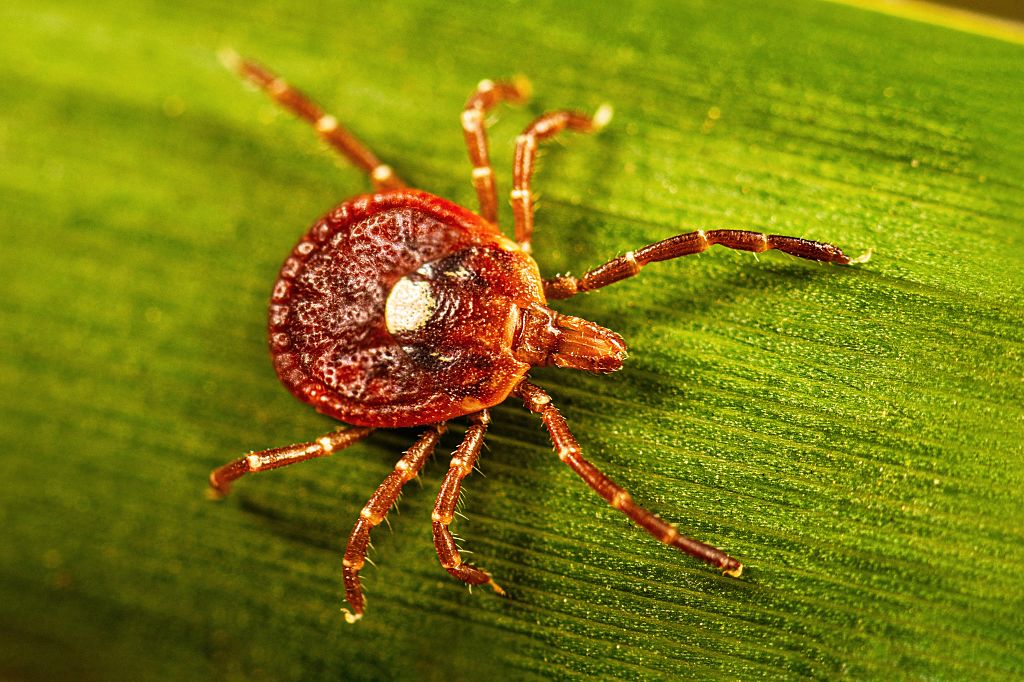
 Miami Fort Lauderdale, FL, July 23, 2026 —
A notable increase in alpha-gal syndrome, a tick-borne illness that results in allergic reactions to red meat, is being observed by medical professionals across the United States. This condition is understood to be associated with bites from the lone star tick.
Alpha-gal syndrome causes individuals to develop an allergic response to a specific sugar molecule, alpha-gal (galactose-alpha-1,3-galactose), which is present in the meat of mammals. Reactions can also occur from other products derived from mammals.
Recent data indicates a significant rise in the number of positive tests for the alpha-gal antibody. In response to this trend, the U.S. Department of Health and Human Services has announced the launch of new initiatives. These efforts include the allocation of research funding aimed at further understanding and addressing alpha-gal syndrome.
The precise mechanisms by which lone star tick bites lead to the development of alpha-gal syndrome are a subject of ongoing scientific investigation. The growing prevalence of diagnosed cases highlights the need for increased awareness and further research into tick-borne diseases and their associated health implications.
Story summarized from the original created by Alice Park on time.com, see more information here.
Media gallery

