Proposed Farm Bill Could Shift SNAP Costs to Georgia, State Faces Potential Billion-Dollar Burden
A proposed farm bill moving through the U.S. Senate could shift a significant financial burden for SNAP (food stamp) benefits onto Georgia, potentially costing the state between $500 million and $1 billion annually to maintain current levels. This comes as…

 Atlanta, GA, September 18, 2026 —
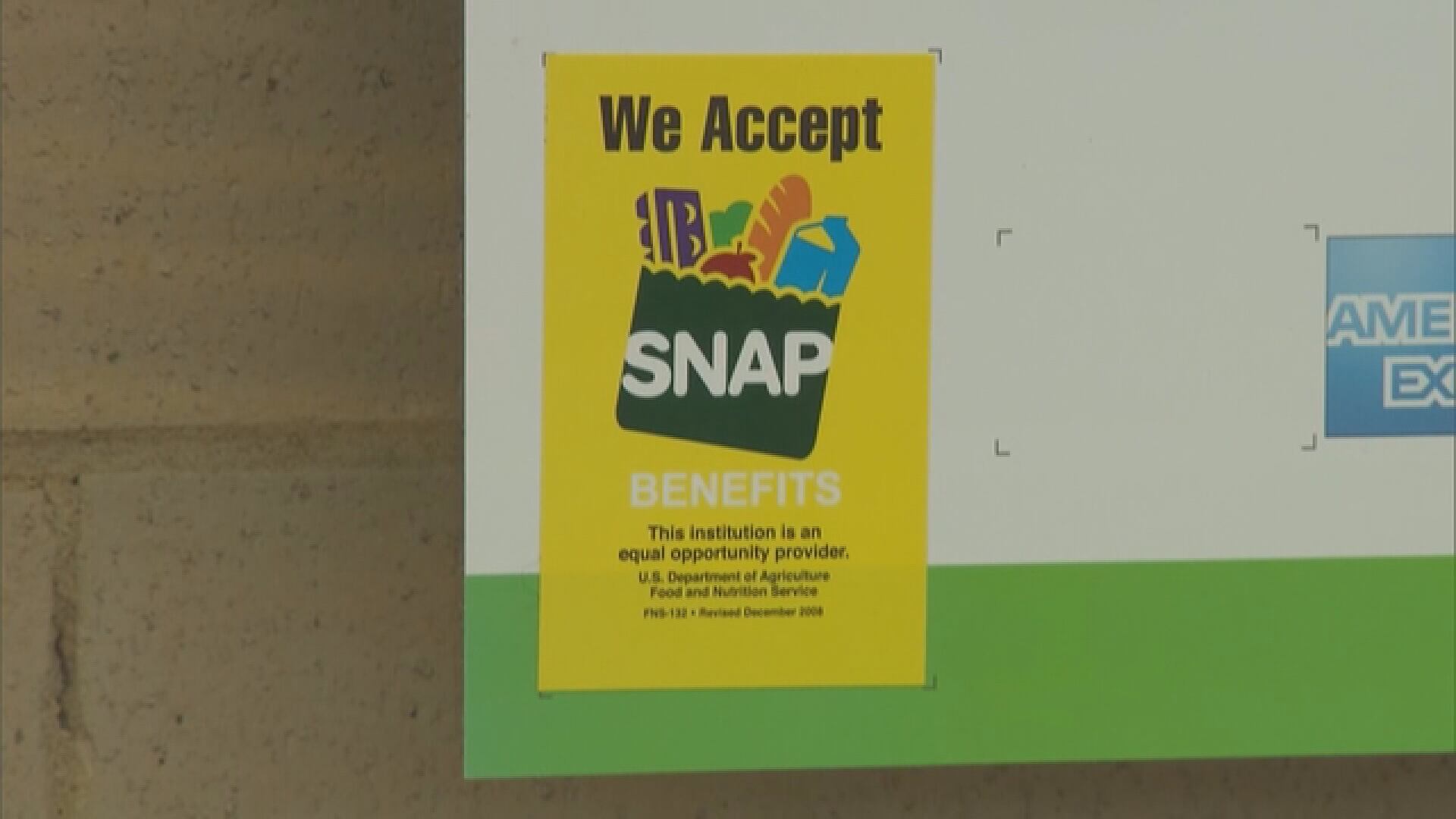
A farm bill currently under consideration in the U.S. Senate may impose a substantial financial responsibility on the state of Georgia for its Supplemental Nutrition Assistance Program (SNAP) benefits. If enacted as proposed, the legislation could necessitate the state covering between $500 million and $1 billion annually to sustain current SNAP benefit levels for its residents.
This potential shift in financial burden occurs amidst an existing reduction in federal funding for food assistance programs affecting many Georgians. The proposed farm bill aims to provide economic relief for farmers, but its potential impact on state-level food assistance costs is raising significant concerns.
Public health experts and anti-hunger advocates within Georgia have voiced apprehension regarding the bill’s implications. They warn of a potential rise in food insecurity across the state, with a particular focus on the well-being of children. Concerns also extend to the capacity of local organizations to bridge any financial gaps that might arise from decreased federal support for food aid.
The specifics of the proposed changes to federal funding mechanisms and the precise allocation of costs are central to the ongoing debate. While the bill includes provisions intended to support the agricultural sector, the financial consequences for states like Georgia regarding SNAP are becoming a focal point for advocacy groups and state officials monitoring the legislation’s progress.
The contractor involved in managing or advising on these matters was not specified in the summary. Similarly, the exact timeline for the bill’s progression through the Senate and its potential enactment date were not provided. The specific details of the economic relief offered to farmers were also not elaborated upon in the summary.
Story summarized from the original created by Abby Kousouris on www.atlantanewsfirst.com, see more information here.
Media gallery