BirdieSense Launches Golf’s First AI Companion: Can AI Become Golf’s Next Coach?
NEW YORK CITY, NY / ACCESS Newswire / September 9, 2026 / Spend a few minutes at a driving range today, and you'll

Press Release Disclaimer: This is a press release distributed through the XPR Media network. It has not been independently verified by our newsroom.
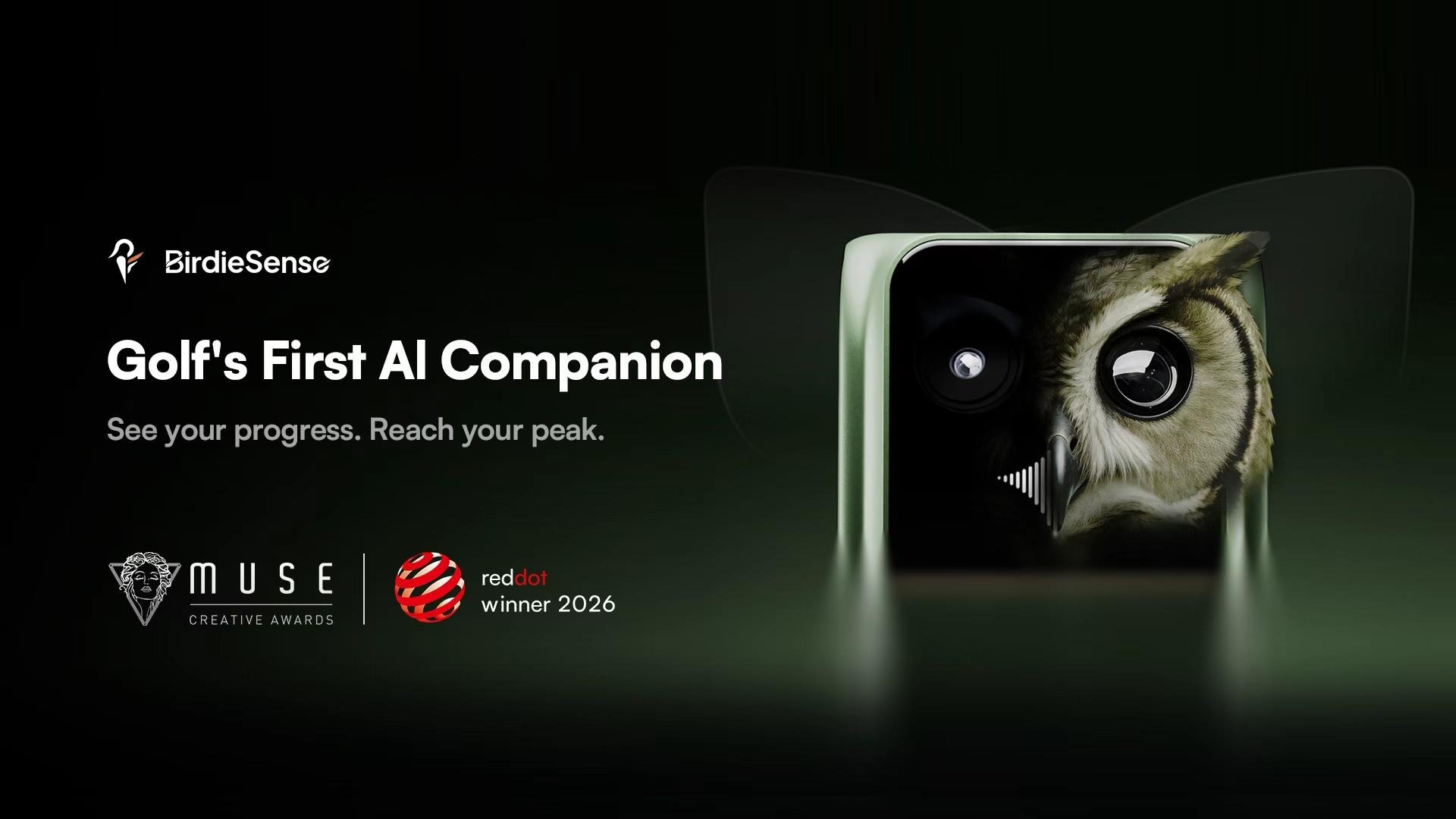

NEW YORK CITY, NY / ACCESS Newswire / September 9, 2026 / Spend a few minutes at a driving range today, and you’ll probably notice that golfers are looking at their phones almost as often as they’re looking at the ball. Launch monitors, swing-recording apps, and performance trackers have become part of the practice routine for players of every skill level. The challenge is no longer collecting data; it’s knowing what to do with it. That’s the problem BirdieSense is trying to solve. Rather than simply adding another launch monitor to the mix, BirdieSense takes a more ambitious approach, positioning itself as an AI golf companion built to turn complex swing data into practical coaching. It’s a small camera-based device that analyzes both a golfer’s swing and the resulting shot before offering feedback in plain language. Instead of leaving players to sort through pages of numbers, the system aims to explain what happened and suggest what to work on next.
The idea behind the company is straightforward. Many golfers don’t have regular access to coaches, yet they still want detailed feedback when they practice. BirdieSense hopes to fill that gap by combining computer vision with artificial intelligence to create something that feels more like a practice partner than a piece of equipment. Even for golfers who work with a coach regularly, BirdieSense can make time between lessons more productive, giving players clearer direction during independent practice and helping them make better use of their time with a coach. BirdieSense is designed to help bridge that gap by combining computer vision with artificial intelligence to create a practice companion that can deliver feedback wherever golfers train. According to the company, its team includes engineers, robotics specialists, AI researchers, and golfers who wanted to make professional-style analysis available outside expensive coaching studios. The hardware itself is compact enough to fit into a golf bag, but there’s a lot happening behind the scenes. Using dual high-speed cameras, the device records the swing and the ball immediately after impact. Powered by a robotics AI chip, BirdieSense processes the visual data in real time, using AI models to estimate body movement, track the ball’s flight, and calculate detailed performance metrics. Those images are processed by AI models that estimate body movement, track the ball’s flight, and calculate performance data. Unlike radar-based systems, BirdieSense relies heavily on computer vision, allowing it to analyze both the player’s mechanics and the shot at the same time. Unlike radar-based systems, BirdieSense uses computer vision to look at both sides of the shot-the golfer’s movement and the ball’s result, which gives its AI a broader picture of what happened during each swing.
BirdieSense was founded in 2024 by a team with backgrounds in robotics, AI, and golf. The company grew out of a fairly common problem with golf technology: there was already plenty of data available, but turning that data into useful feedback was still difficult for many players. That led the team to focus less on adding another set of numbers and more on helping golfers understand what those numbers say about their swing.
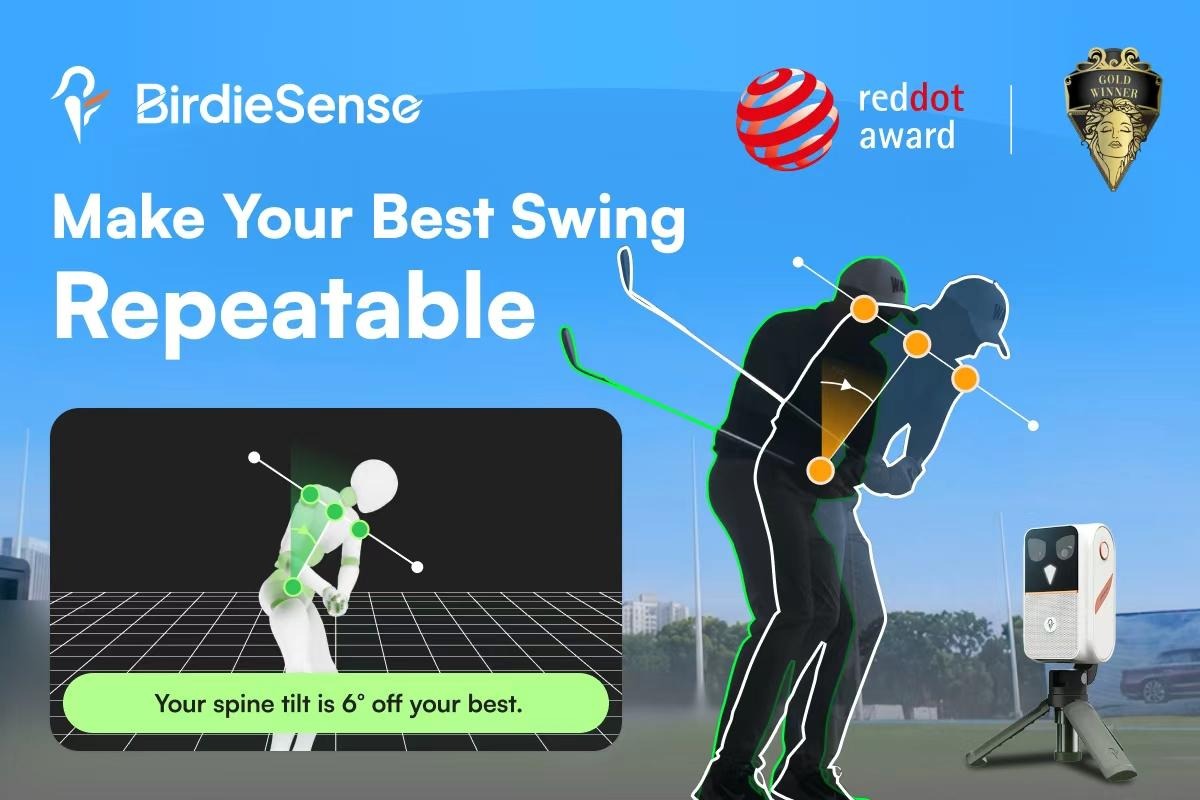
One feature that stands out is the 3D swing reconstruction. While BirdieSense can capture and reconstruct a golfer’s 3D swing motion, its goal isn’t to make every player copy the swing of a professional golfer. Instead, it considers how a golfer moves, how the ball responds, and where that player is in their own development before offering recommendations tailored to their current level and performance. Rather than simply watching a replay, golfers can see their swing transformed into a 3D model that makes key movements easier to understand. Instead of replaying a standard video, the product builds a digital model of the golfer’s movement throughout the swing. It examines posture, shoulder rotation, hip movement, balance, and tempo, giving players a clearer picture of how their body moves from takeaway to follow-through. For golfers who struggle to spot flaws in their own swing, that visual feedback could be just as valuable as the numbers themselves. Speaking of numbers, BirdieSense measures many of the statistics golfers have come to expect from modern launch monitors. Ball speed, carry distance, launch angle, spin rate, club speed, attack angle, club path, and face angle are all included. On their own, those metrics aren’t especially unique. What BirdieSense is trying to do differently is connect them to the golfer’s technique. The difference is in how BirdieSense connects those numbers back to the golfer’s movement and uses them as part of a larger coaching experience. Instead of simply reporting that a shot spun too much or launched too low, the AI attempts to explain what part of the swing may have contributed to the result.
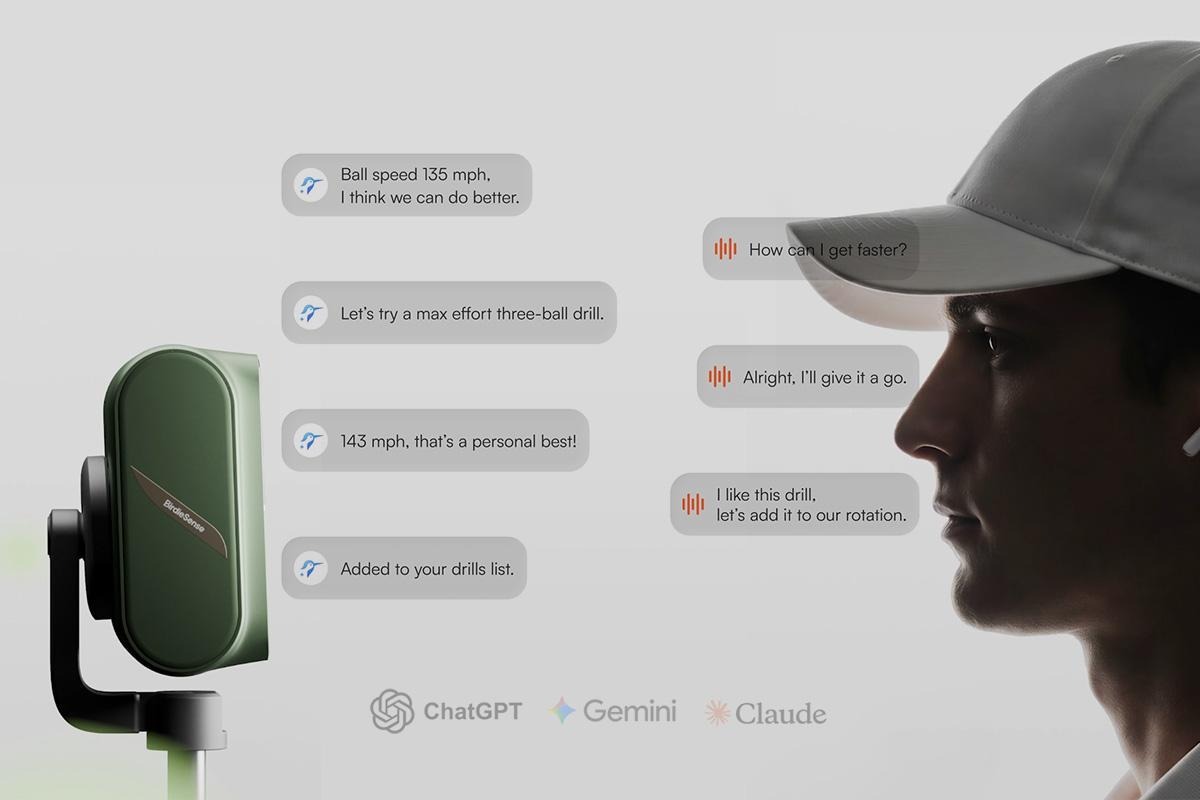
The product also includes a conversational AI assistant, which is its most distinctive feature. Rather than forcing golfers to navigate technical menus or decipher golf terminology, BirdieSense lets them interact with their practice data through natural conversation. A player who keeps slicing the ball might ask why it keeps happening, while someone chasing more distance can ask how to increase club speed. Because the AI remembers previous practice sessions, its suggestions are intended to become more personalized over time rather than repeating the same generic advice. Everything is connected through the BirdieSense mobile app, where practice sessions are automatically stored and organized. Golfers can review swing videos, compare older sessions with newer ones, and monitor how their mechanics change over time. That long-term perspective is important because improvement in golf rarely happens overnight. Having a record of gradual progress may help players stay motivated and make more informed adjustments instead of changing their swing after every bad shot.
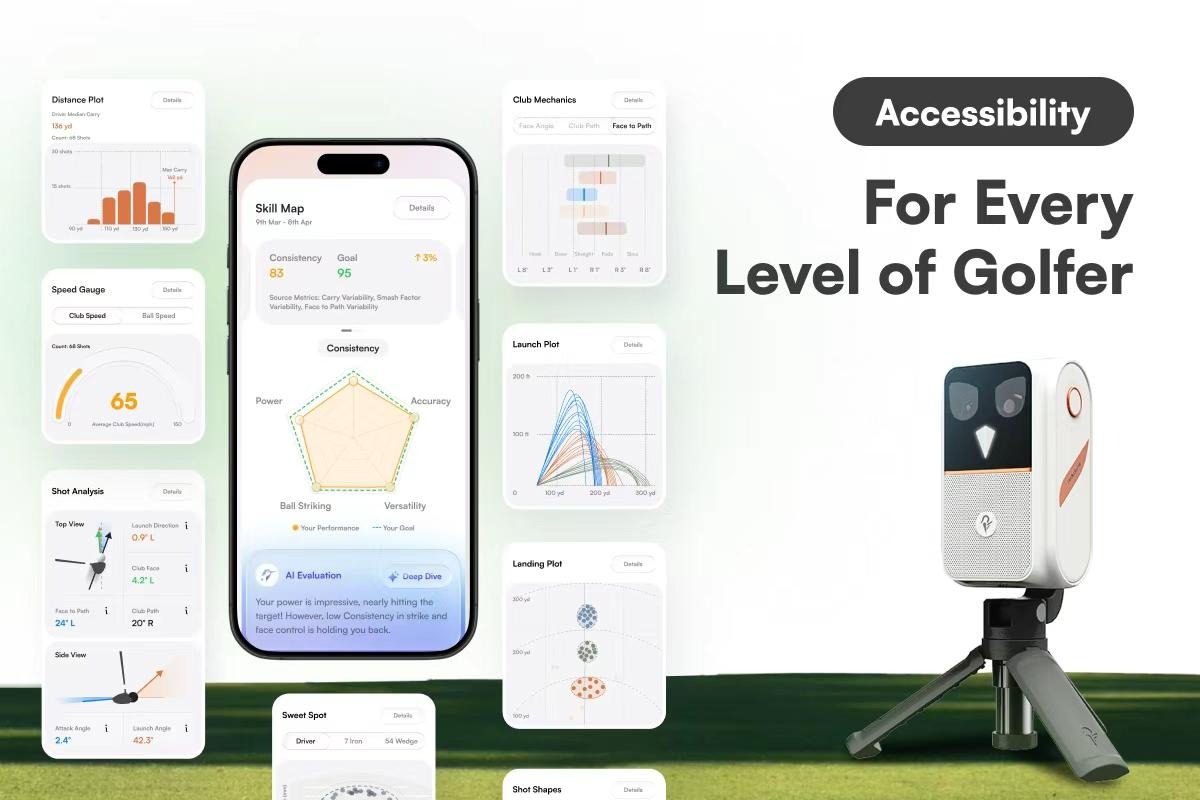
BirdieSense enters a market with well-established competitors such as TrackMan, Garmin, Rapsodo, and FlightScope. Each of those companies has built a strong reputation by providing detailed shot data, particularly for serious golfers. BirdieSense enters that competitive field with a different proposition: bringing together advanced tracking, AI-powered coaching, and a more accessible form factor to make sophisticated golf technology easier to use in everyday practice. BirdieSense also stands out by offering a more accessible balance of technology, AI-powered coaching, and overall value, potentially making advanced golf analysis more attainable for everyday players. BirdieSense isn’t ignoring that side of the market, but its biggest selling point is the coaching experience built around the data. Whether that approach proves successful will depend on how accurate and genuinely useful the AI is once more golfers begin using the product in everyday practice. BirdieSense is also bringing the product to a wider audience through its Kickstarter campaign, giving early adopters an opportunity to get the product. As artificial intelligence finds its way into more areas of sport, products like BirdieSense suggest that coaching could become more accessible as well. Most golfers don’t need hundreds of statistics after every swing-they need help understanding why a shot turned out the way it did. With its combination of computer vision, AI-powered analysis, and personalized coaching, BirdieSense is pushing golf technology beyond simply tracking performance and toward a more intelligent, responsive training experience.
Email: support@pfrobo.com
SOURCE: BirdieSense
View the original press release on ACCESS Newswire