Japan’s Convenience Stores Become Summer Cooling Havens
As Japan faces another summer of extreme heat, convenience stores have become more than just places to shop. With

Press Release Disclaimer: This is a press release distributed through the XPR Media network. It has not been independently verified by our newsroom.
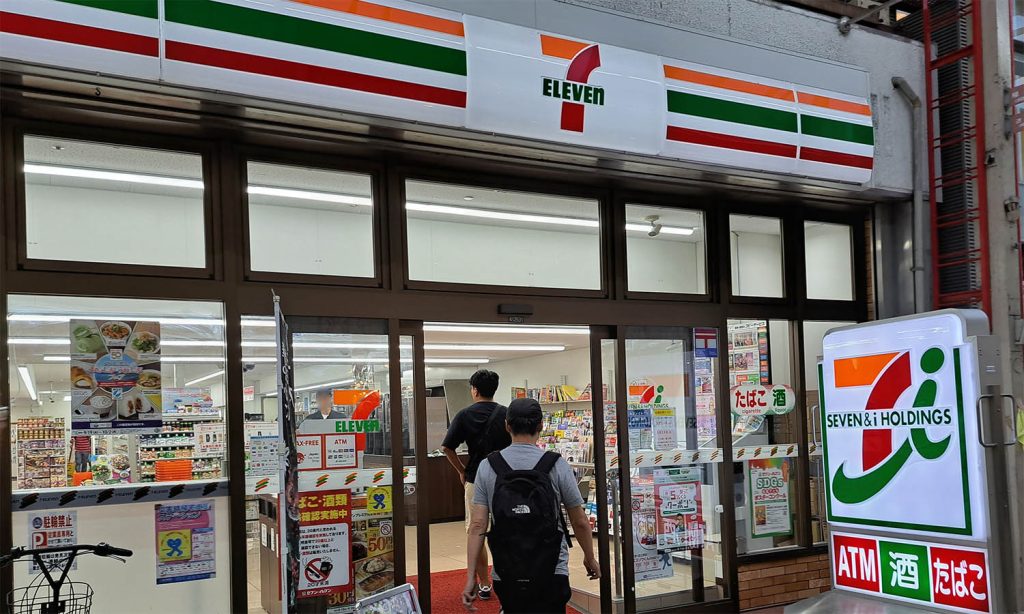

As Japan faces another summer of extreme heat, convenience stores have become more than just places to shop. With extensive nationwide coverage and a wide range of daily services, they are increasingly serving as cooling shelters while reinforcing their role as essential community infrastructure.
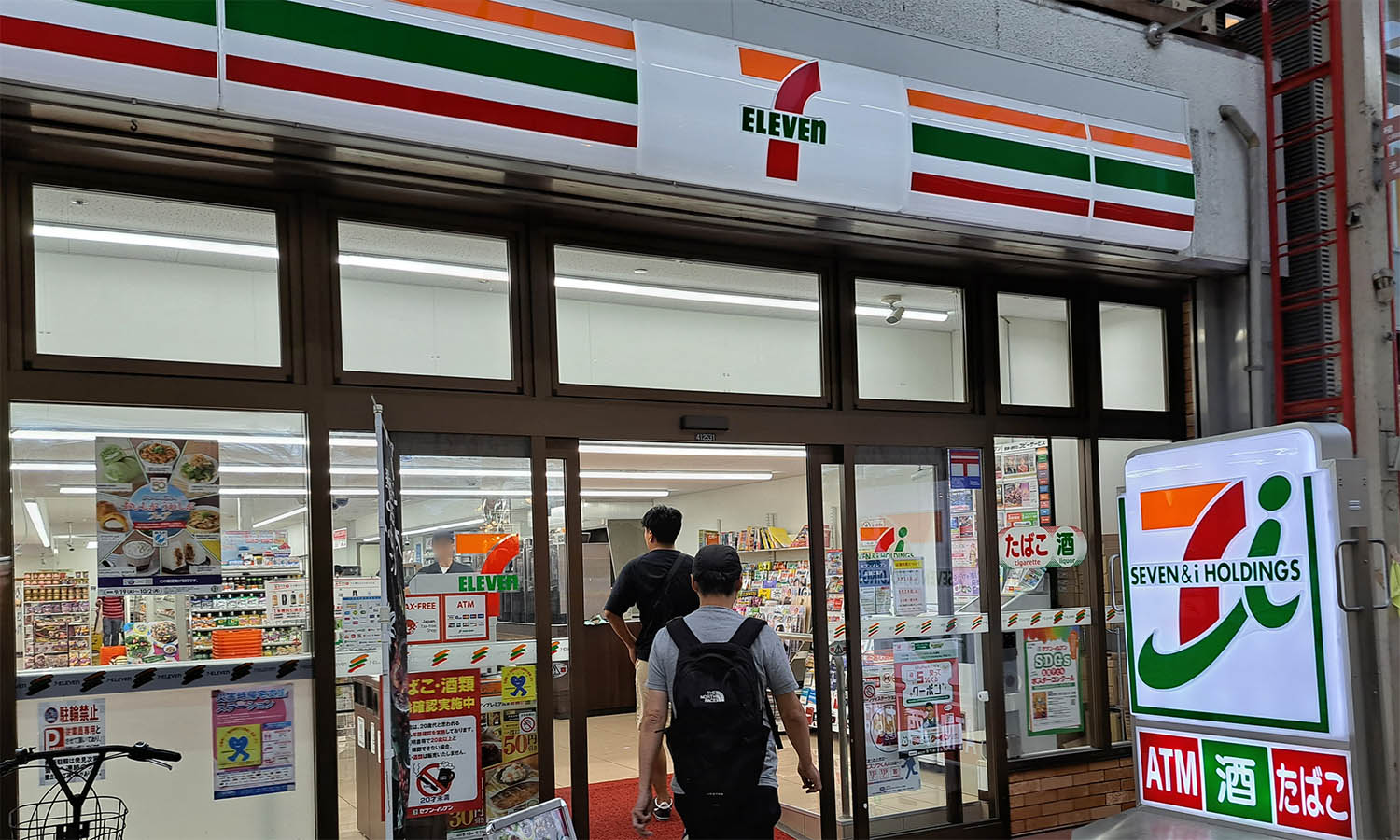
TOKYO, JAPAN (MERXWIRE) – Convenience stores have long evolved beyond their traditional retail function to become an indispensable part of everyday life in Japan. According to a recent survey by market research firm Cross Marketing, 45.9% of respondents visit a convenience store at least once a week. Among men in their 20s, more than half reported visiting at least weekly, with many saying they stop by almost every day, highlighting how deeply convenience stores are integrated into Japanese daily life.
Japan is home to approximately 56,000 convenience stores, creating one of the world’s densest convenience store networks. Located in urban neighborhoods, residential districts, railway stations, tourist destinations, and rural communities, these stores provide round-the-clock access to a broad range of services. Major chains including 7-Eleven, FamilyMart, Lawson, and MINISTOP have expanded well beyond retail by offering banking services, parcel delivery, ticketing, bill payments, and disaster support, making convenience stores an essential part of the country’s social infrastructure.
This summer, many parts of Japan have experienced prolonged heat waves, with temperatures exceeding 40°C in some areas. Against this backdrop, air-conditioned convenience stores have become convenient cooling shelters where people can escape the heat, hydrate, and take short breaks while traveling or commuting.
Beyond selling food and beverages, Japanese convenience stores provide a wide variety of everyday services, including ATM access, utility bill payments, parcel collection, and administrative services. In recent years, some stores have also joined the government’s Cool Share initiative, encouraging residents to spend time in shared public spaces during the hottest hours of the day. The program aims to reduce the risk of heatstroke while lowering household energy consumption through shared use of air-conditioned facilities.
Promoted by Japan’s Ministry of the Environment, the Cool Share campaign encourages people to utilize libraries, shopping centers, convenience stores, and other public facilities as shared cooling spaces. Supported by local governments, businesses, and community organizations, the initiative has gradually developed into a nationwide summer lifestyle movement that combines environmental sustainability with public health.
To meet growing demand during the hot season, convenience stores continue expanding their summer product selections, including ice cream, bagged ice, iced coffee, cooling products, and electrolyte drinks. Limited-edition seasonal items released each summer have also become popular among consumers, further strengthening the stores’ role as convenient destinations for staying cool.
Ms. Lin, a tourist from Taiwan, said convenience stores are among the places she visits most frequently while traveling in Japan. “Besides buying breakfast, late-night snacks, or drinks, it’s wonderful to step inside for a few minutes to cool down and rehydrate when it’s extremely hot. It makes traveling much more comfortable,” she said.
Meanwhile, Kenichi Sato, an office worker in Tokyo, said he stops by a convenience store almost every day during his commute in summer. “The product lineup changes quickly, with many seasonal items introduced every year. Combined with the wide range of services available, convenience stores have become an essential part of everyday life,” he said.
In addition to their daily services, Japanese convenience stores have also strengthened their disaster preparedness functions. Some newly developed stores are equipped with backup power supplies, satellite communication systems, and emergency water facilities, enabling them to provide free Wi-Fi, mobile phone charging, and emergency supplies during earthquakes, typhoons, and other natural disasters.
The Kanto Smart Living Cooperative noted that the popularity of Japanese convenience stores among both residents and international visitors extends far beyond product selection. Their ability to integrate daily services, public safety, and community support has transformed them into vital social infrastructure and a symbol of Japan’s people-centered approach to daily living.
The cooperative explained that convenience stores represent more than retail locations; they reflect Japan’s commitment to creating accessible, efficient, and supportive living environments. For international travelers, visiting a Japanese convenience store offers not only convenience but also a firsthand experience of Japan’s thoughtful service culture and attention to everyday needs.
Media Contacts:
Kanto Smart Living Cooperative
PR Agency:
MERXWIRE INC.
Ada Huang
pr@merxwire.com
SOURCE: Kanto Smart Living Cooperative